
Theatre Review: Marin Theatre Presents Pictures from Home
/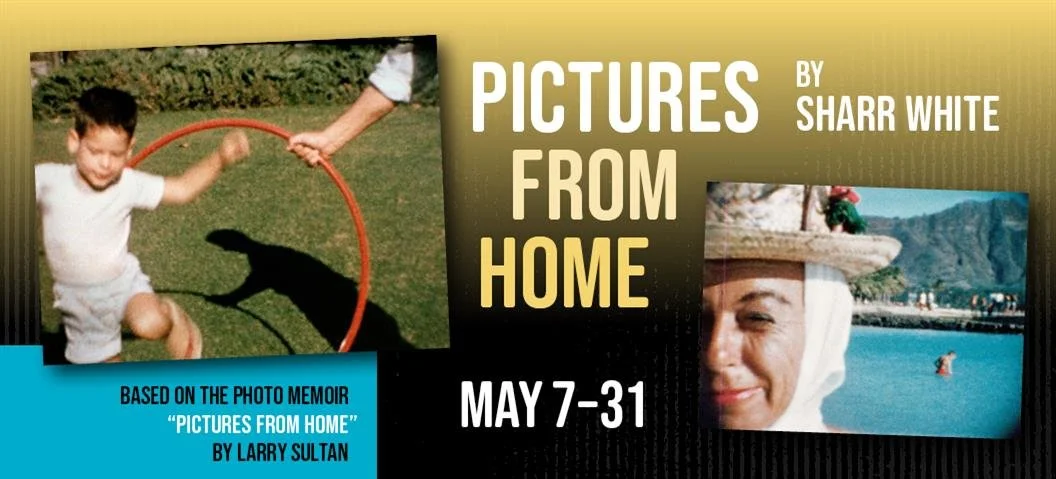
One photographer's search for identity and belonging within the imperfect ideal of the American dream lies at the heart of this play. Larry Sultan, was an internationally recognized, Marin based photographer who explored this theme through the stark, striking images of his aging parents, taken in the 1980's. They've become his best known images and, as an avid photographer myself, l've often admired them without knowing anything about their background story. All great photographs stand alone, but even they can be greatly enhanced with context. Marin Theater's, 'Pictures From Home,' is based on the eponymous photo book. While not essential, I think it's a good idea to look at Larry Sultan's work if you’re unfamiliar with it, before going to see this play. It brings his photographs to life so beautifully and the intimacy of theater provides an excellent medium to explore them.
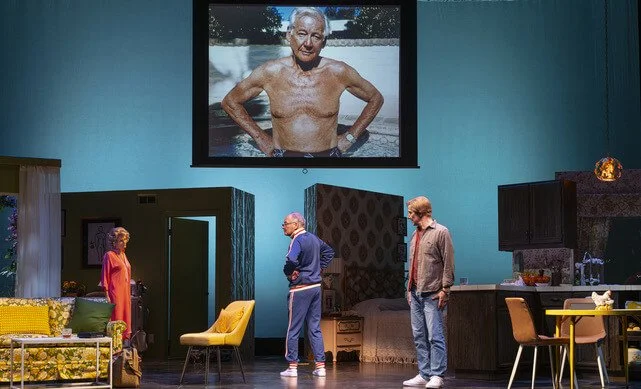
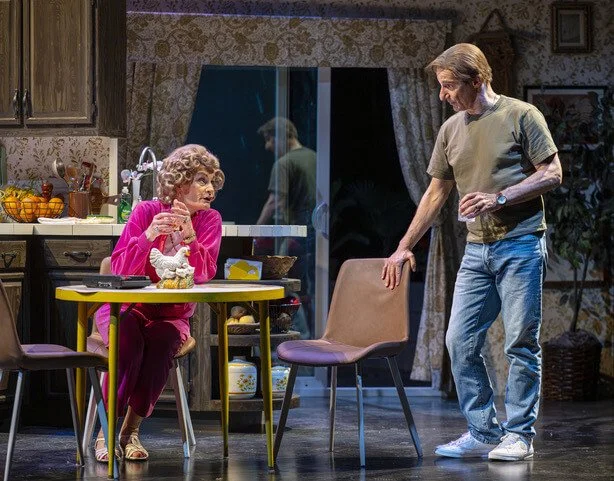
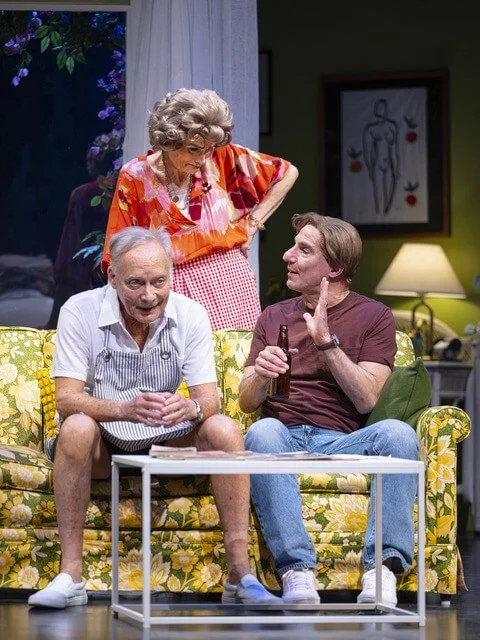
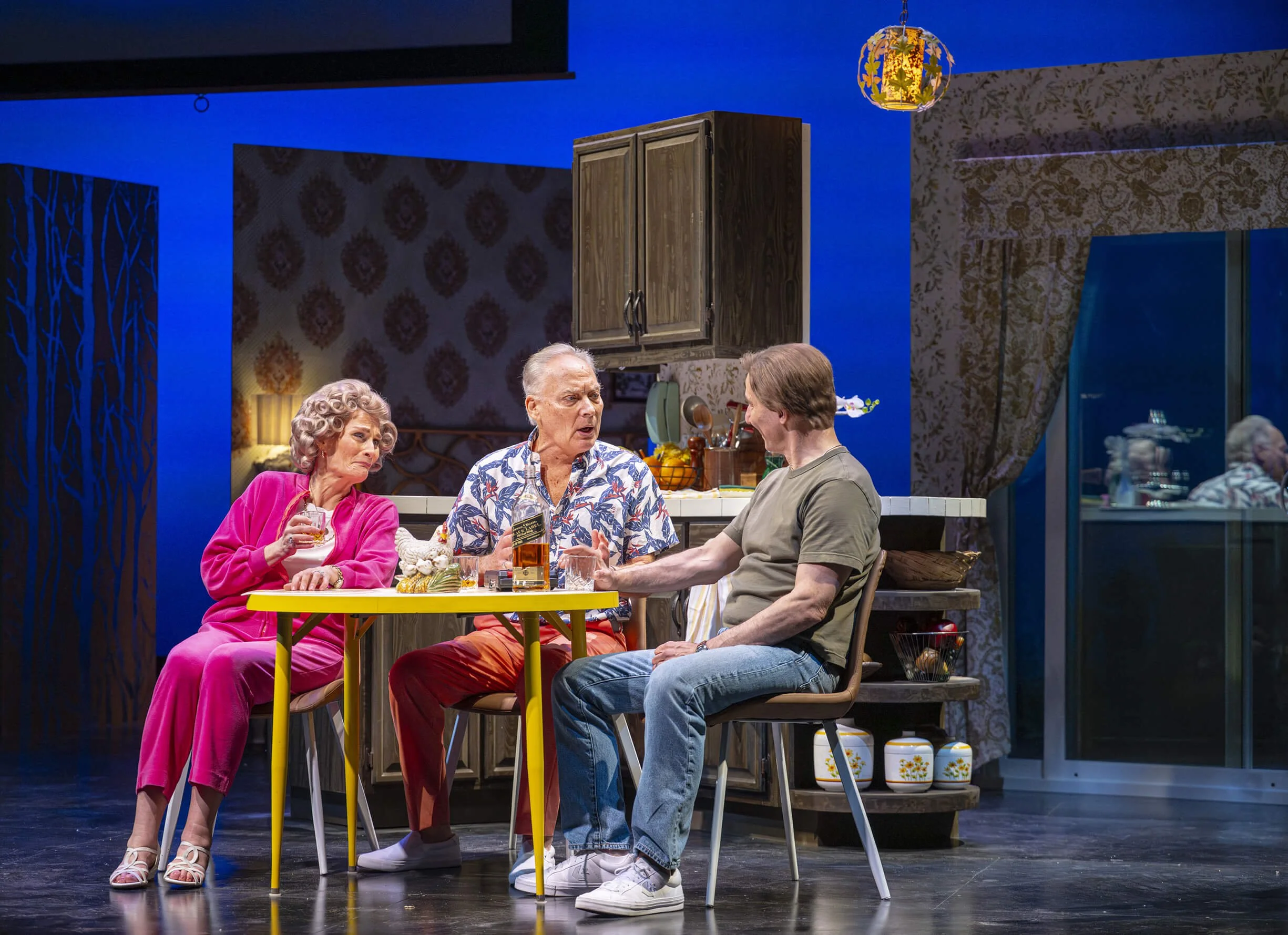
Victor Talmadge as Irving, Larry’s adversarial father was perfectly cast and looks remarkably true to the images of him we see throughout the play. Angry and abrasive, he's a self made man of his time. Talmadge’s hot, flinty antagonism fueled the story and sparked into the audience. Susan Koozin as Larry's mother, Jean, a simultaneously tough but self-effacing realtor, was spot on. She played the role of domestic pacifier and accommodator with enormous heart. Dan Cantor, as Larry Sultan, the questioning intellectual, trying to get beneath the surface with his camera, perfectly complemented the performance of his onstage parents.
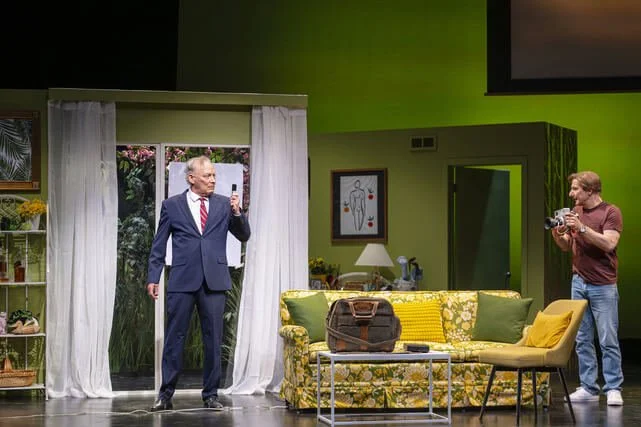
Larry's family moved west from an apartment in Brooklyn in 1949, to become the perfect nuclear family in Southern California. As a photographer, Larry reinterprets images of home movies from his childhood, like the ones showing he and his brother dressed as cowboys on the new front lawn, as wider sociological and cultural metaphors representing the aspirations of his parents entire generation. The Regan administration's emphasis on family as a wholesome institution didn't resonate with Larry and became one of the motivations for this photographic project and so he keeps returning to his parent's home to photograph them, despite having a growing family of his own in the North Bay. He contrasts the cultural role his father was thrust into as a corporate salesman and compares it to the man beneath the role, using this too as a larger metaphor for all the social roles we are collectively thrust into. As his parents retire and age, and the dream ages out, he catalogues, observes and reflects, but what he sees isn't always what's reflected back. That said, I can't help thinking that his mother's penchant for green in her home decor belies a design flare, that may have shown up in Larry's own visual gifts.
What wasn't mentioned, and what I'd liked to have understood, is how and why Larry broke away from the expectations his father held for him, to become a photographer and intellectual, even though it was indirectly implied that it was his parent's hard work and self sacrifice that provided the bedrock that enabled him.
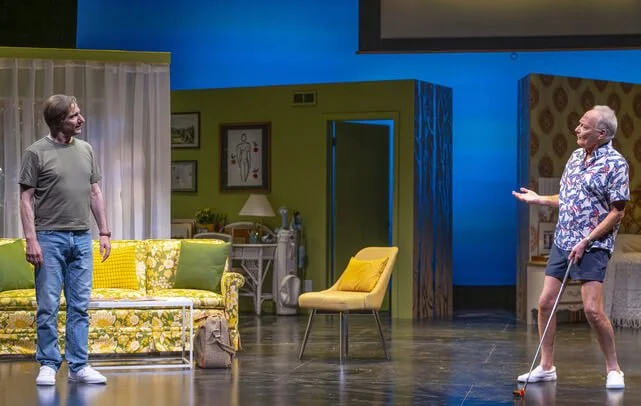
Larry's generation, the boomers, became the counter culturalists with the luxury to reflect and take stock in a way their WW2 and depression era parents often didn't. In some ways, Larry's need to keep returning to his parents is a form of individuation within a family operating with a different value system, but who nevertheless shaped him. This is where its universality lies. Many of us have been suddenly but quietly struck by how we are just like, yet so very different from our own parents. A good few of us will recognize the low grade bickering and domestic dysfunction of long term marriages, (often endured when divorce was less of an option), that to a greater or lesser extent underpinned and defined the 'nuclear' childhoods of the baby boomers and Gen Ex-ers, so well depicted in this play.
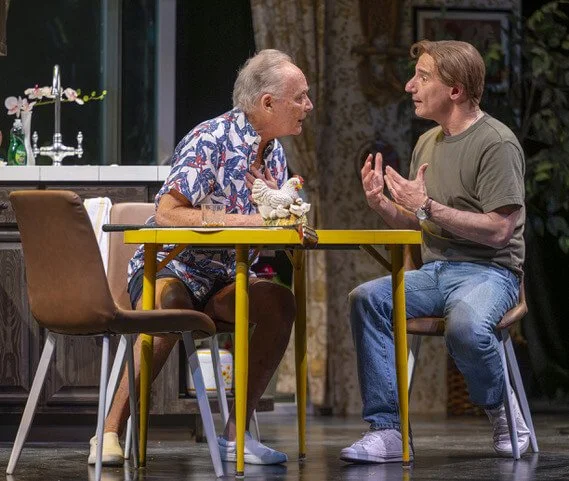
By consenting to, and participating in, this ongoing series of photographs, both parents acquiesced to this project, but it seems Larry's father in particular didn't truly understand the motivations. Irving Sultan insisted it was really all about Larry, although it's clear to me it was about both of them and the divide that defined two very different generations. This intersection proves fertile ground for this fascinating, visual story.