

Meteors Under Moonlight
/The Perseid meteor shower, one of the year's brightest and most reliable celestial displays, will light up the night sky from mid-July through late August, with peak viewing on the night of August 12 into the early morning of August 13, 2026.
For the best show, head outside around 11 p.m. local time and keep watching through dawn, when meteor activity is at its highest.
This year offers nearly perfect viewing conditions. The new moon means dark skies with no moonlight to wash out the meteors, making it easier to spot dozens of shooting stars each hour. As an added bonus, some fortunate viewers along the path of the August 12 total solar eclipse may even catch a few Perseid meteors during the brief darkness of totality.
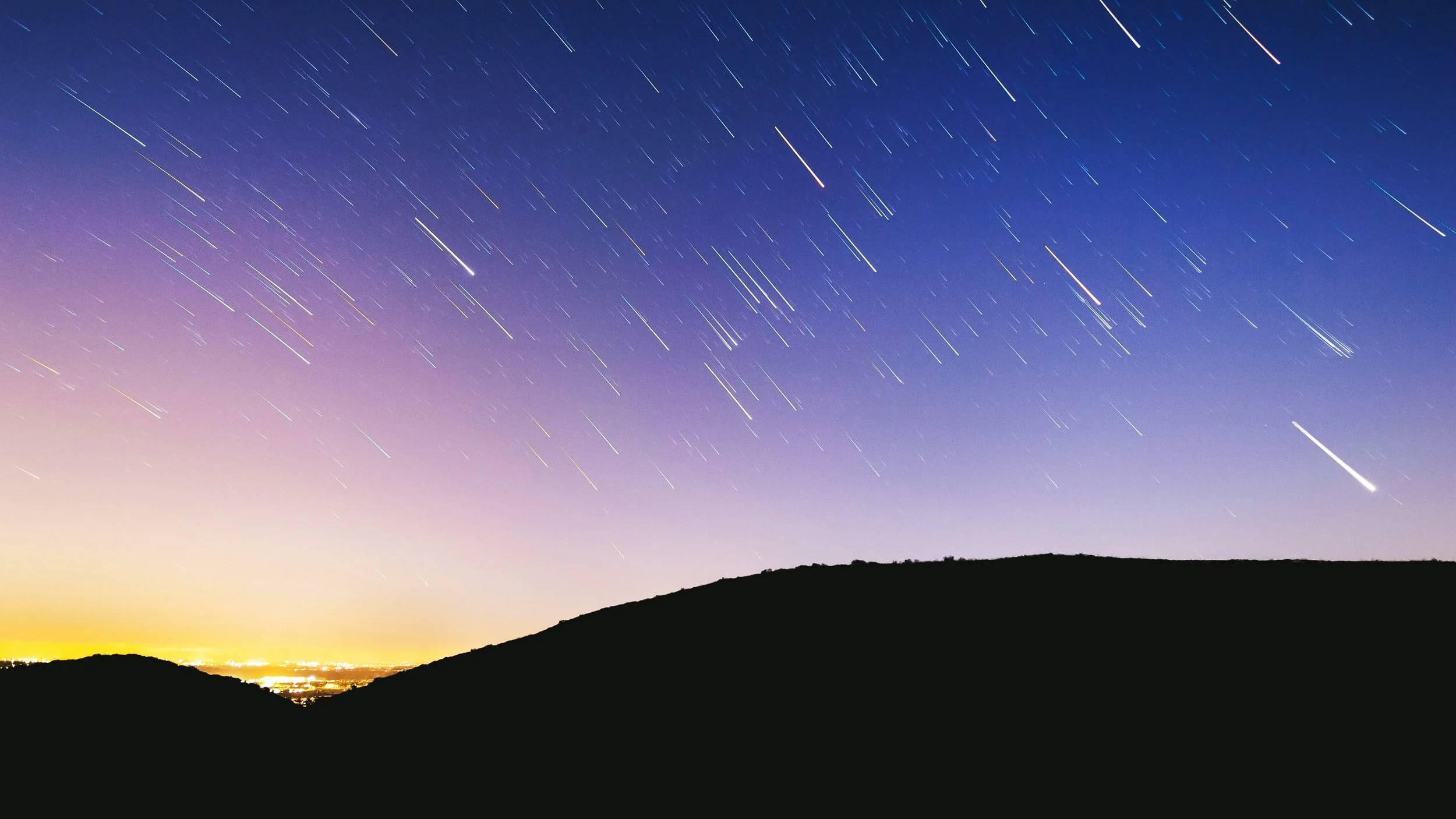
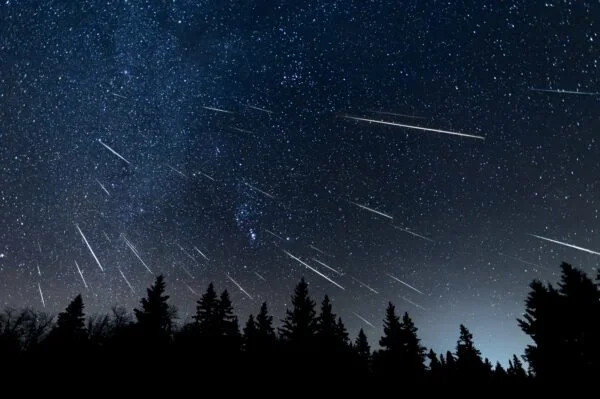
You may have heard these streaks of light referred to as a "shooting star." In reality, these phenomena are not stars at all, but rather meteoroids — tiny specks of comet dust or asteroid material. When these particles enter Earth's atmosphere at incredibly high speeds, they create friction with the air, which causes them to heat up and disintegrate. This process results in the bright flashes of light that we see as meteors.
This year, the Perseid meteor shower offers an excellent opportunity for stargazers. With the moon at 50% illumination during the peak, its setting around midnight ensures that observers will have dark skies until dawn. This extended period of darkness is ideal for watching meteors, as it enhances visibility against the night sky.
The Perseids are known for their bright meteors and can produce up to 60-100 meteors per hour at their peak. This year, the combination of favorable moon conditions and the timing of the peak will allow for optimal viewing. To make the most of this celestial event, find a location away from city lights, lay back in a comfortable spot, and give your eyes time to adjust to the dark. Enjoy the beauty of this meteor shower under the mesmerizing night sky.
Top 4 tips to help you best prepare:
Be sure to dress appropriately and bring something comfortable to sit or lie on and a clear view of the night sky.
Allow your eyes to adjust to the darkness so try not to turn on a flashlight or electronic devices. Both will destroy night vision. If you bring a flashlight, cover the lens with red cellophane or filter. Red light will allow you enough light to walk around safely in the dark, but will minimize the effect on your night vision.
No need for telescope or binoculars since it reduces the amount of sky you can see.
Lastly, be patient.
It is well worth staying up for what should be an awesome celestial show.
PERSEID WATCH PARTIES

August 12, 2026 11:00 PM - 3:00 AM